
Historical Approaches to Menstrual Management

How Women Coped

Menstruation is a natural biological process, but its management has varied greatly throughout history. In ancient times, women faced unique challenges due to the lack of modern hygiene products and the influence of cultural beliefs. This article explores how women many years ago and in different societies coped with their periods, highlighting the methods, materials, and social attitudes that shaped their experiences.

Materials and Methods Used

Without access to the sanitary pads, tampons, and menstrual cups available today, women relied on materials that were accessible to them. The following are some of the common approaches used by women:

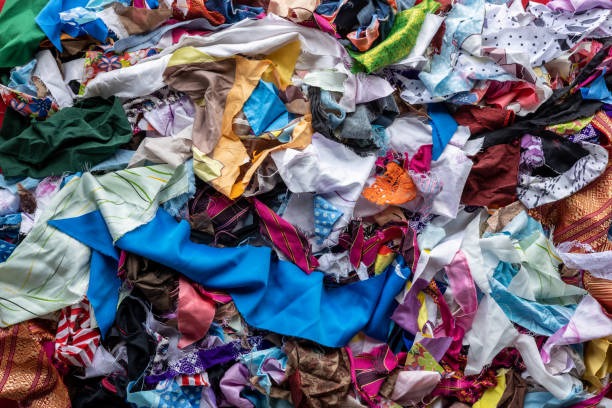
  • Absorbent Cloths: Many women used pieces of cloth, rags, or linen to absorb menstrual blood. These cloths were washed and reused, although the process was labour-intensive. For example, in Ancient Egypt, women would use reusable loin cloths

  • Natural Materials: In some cultures, women used moss, papyrus, grass, wool, or even softened wood as absorbents. For example, ancient Egyptian women reportedly used softened papyrus, which is a grass-like plant, as a tampon-like device, to absorb the menstrual blood, while Greek women sometimes used lint wrapped around wood.

  • Leather and Felt: In colder climates, leather or felt pads were used for their absorbency and durability.

  • Sand and Ash: in certain regions used sand or ash to help absorb moisture, although this was likely less common and potentially uncomfortable. Today women who are unable to afford menstrual products still use sand and ashes as an alternative to sanitary pads.

Cultural Beliefs and Practices

Menstruation was often surrounded by taboos and myths. In ancient Rome and Greece, menstrual blood was believed to have magical or dangerous properties. Some societies imposed restrictions on menstruating women, limiting their participation in religious or communal activities.

Personal Care and Hygiene

Keeping clean during menstruation was challenging due to limited access to water and sanitation. Women often bathed less frequently and relied on herbal remedies or perfumes to mask odours. Some used natural antiseptics, such as thyme or rosemary, to help maintain hygiene.

Social Support and Community

In some cultures, menstruation fostered a sense of solidarity among women. It was common for women to share advice and materials, passing down knowledge through generations. However, in other societies, the topic was shrouded in secrecy, and menstruating women faced isolation. For example, menstruating women would stay in a separate part of the house or would be prohibited from taking part in rituals or certain tasks, such as cooking.

Conclusion

The ways in which women coped with periods in ancient times were shaped by practical limitations and cultural beliefs. Although the materials and methods were rudimentary compared to modern standards, women demonstrated resilience and ingenuity in managing their menstrual health. Today, understanding these historical approaches offers perspective on the progress made in menstrual hygiene and the ongoing need for education and access to resources worldwide.